

Prime Minister Narendra Modi, while addressing the House, repeatedly referred to Bankim Chandra Chattopadhyay, the author of Vande Mataram, as “Bankim Da.” Trinamool Congress MP Saugata Roy interrupted, requesting him to say “Bankim Babu” instead. Pausing briefly, PM Modi responded, “Say Bankim Babu… Thank you, thank you… I respect your sentiments,” prompting light reactions across the House.
Congress MP Priyanka Gandhi Vadra also participated in the discussion, drawing a controversial comparison between PM Modi and India’s first Prime Minister, Jawaharlal Nehru. Speaking at around 4 PM, she noted, “As far as Jawaharlal Nehru is concerned, for as long as our Prime Minister has been the Prime Minister of the country—almost 12 years—Jawaharlal Nehru was in jail for the same number of years,” referencing letters exchanged between Nehru and Netaji Subhas Chandra Bose.
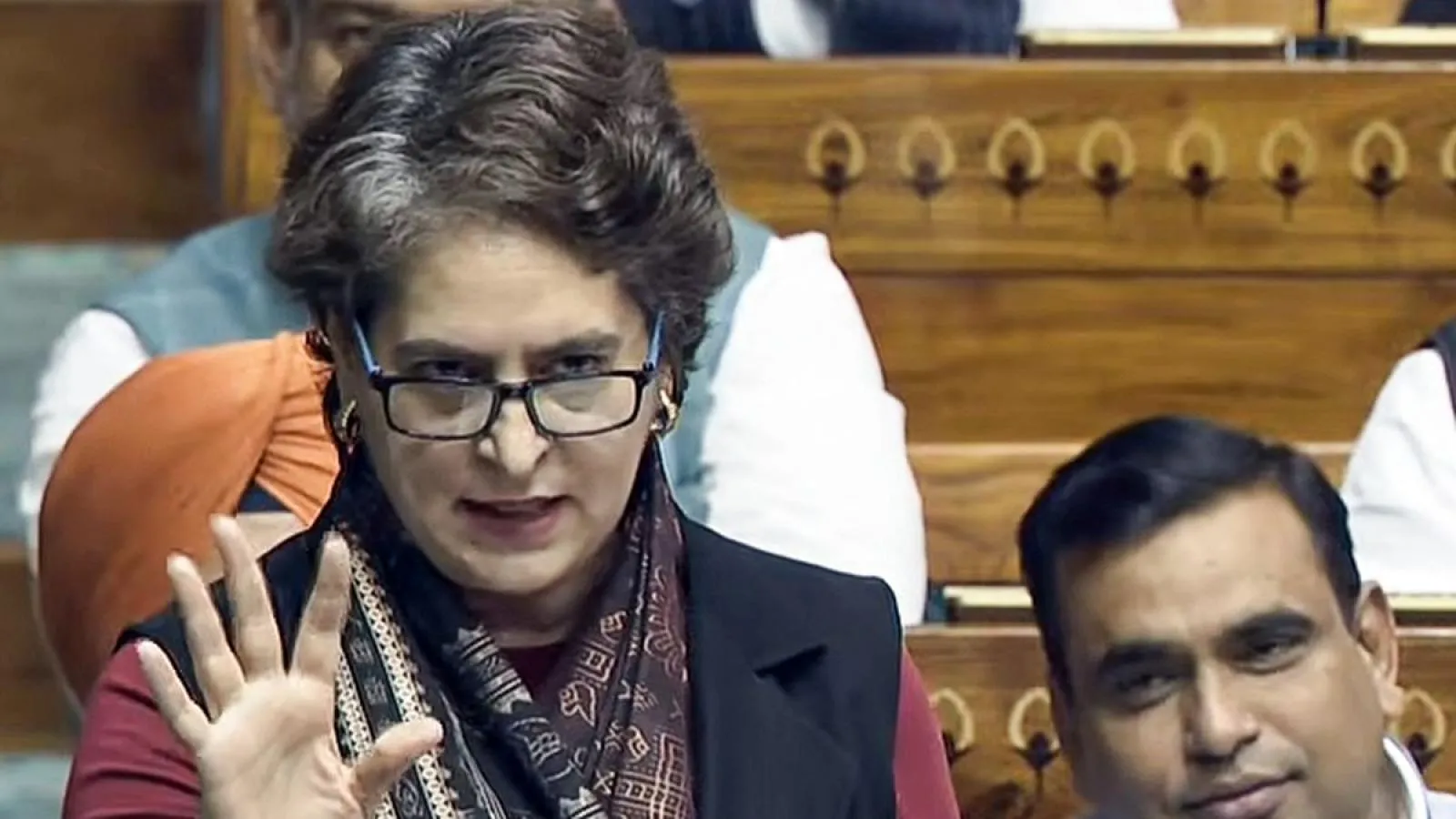
The session also witnessed sharp exchanges from Defence Minister Rajnath Singh, who reprimanded opposition MPs for their interruptions. Addressing the House, Singh remarked, “Who is going to make me sit? What are you talking about, ‘sit’? They have become so bold. Speaker sir, stop them. They were with us,” reflecting the tense atmosphere in the Lok Sabha during the debate.
The discussion, intended to commemorate the legacy of Vande Mataram and its author, turned into a mix of ceremonial tribute and political sparring, highlighting the charged dynamics between ruling and opposition parties.
The Winter Session continues with several legislative and commemorative discussions scheduled over the coming days. Observers note that such exchanges, though disruptive, underscore Parliament’s role as a forum for both national reflection and political contestation.
The House is expected to carry forward the discussions on cultural heritage alongside ongoing debates on legislative proposals and policy matters.

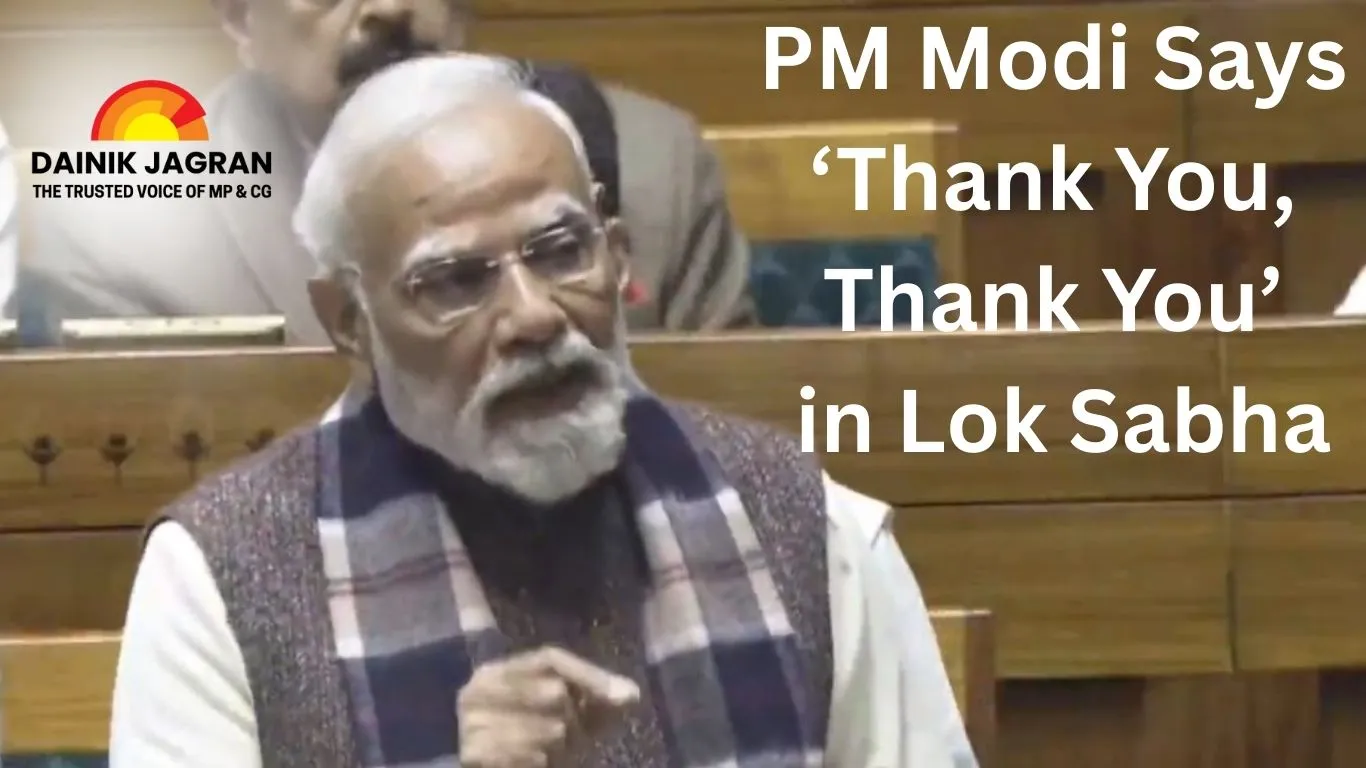
PM Modi Says ‘Thank You, Thank You’ in Lok Sabha; Key Exchanges Mark Winter Session Discussion
Digital Desk
Prime Minister Narendra Modi, while addressing the House, repeatedly referred to Bankim Chandra Chattopadhyay, the author of Vande Mataram, as “Bankim Da.” Trinamool Congress MP Saugata Roy interrupted, requesting him to say “Bankim Babu” instead. Pausing briefly, PM Modi responded, “Say Bankim Babu… Thank you, thank you… I respect your sentiments,” prompting light reactions across the House.
Congress MP Priyanka Gandhi Vadra also participated in the discussion, drawing a controversial comparison between PM Modi and India’s first Prime Minister, Jawaharlal Nehru. Speaking at around 4 PM, she noted, “As far as Jawaharlal Nehru is concerned, for as long as our Prime Minister has been the Prime Minister of the country—almost 12 years—Jawaharlal Nehru was in jail for the same number of years,” referencing letters exchanged between Nehru and Netaji Subhas Chandra Bose.
The session also witnessed sharp exchanges from Defence Minister Rajnath Singh, who reprimanded opposition MPs for their interruptions. Addressing the House, Singh remarked, “Who is going to make me sit? What are you talking about, ‘sit’? They have become so bold. Speaker sir, stop them. They were with us,” reflecting the tense atmosphere in the Lok Sabha during the debate.
The discussion, intended to commemorate the legacy of Vande Mataram and its author, turned into a mix of ceremonial tribute and political sparring, highlighting the charged dynamics between ruling and opposition parties.
The Winter Session continues with several legislative and commemorative discussions scheduled over the coming days. Observers note that such exchanges, though disruptive, underscore Parliament’s role as a forum for both national reflection and political contestation.
The House is expected to carry forward the discussions on cultural heritage alongside ongoing debates on legislative proposals and policy matters.

.jpg)




