


Deadly Blast in Iran’s Key Port City Amid Volatile US Tensions
Digital Desk
Explosion Rocks Strategic Iranian Port, Fueling Regional Tensions
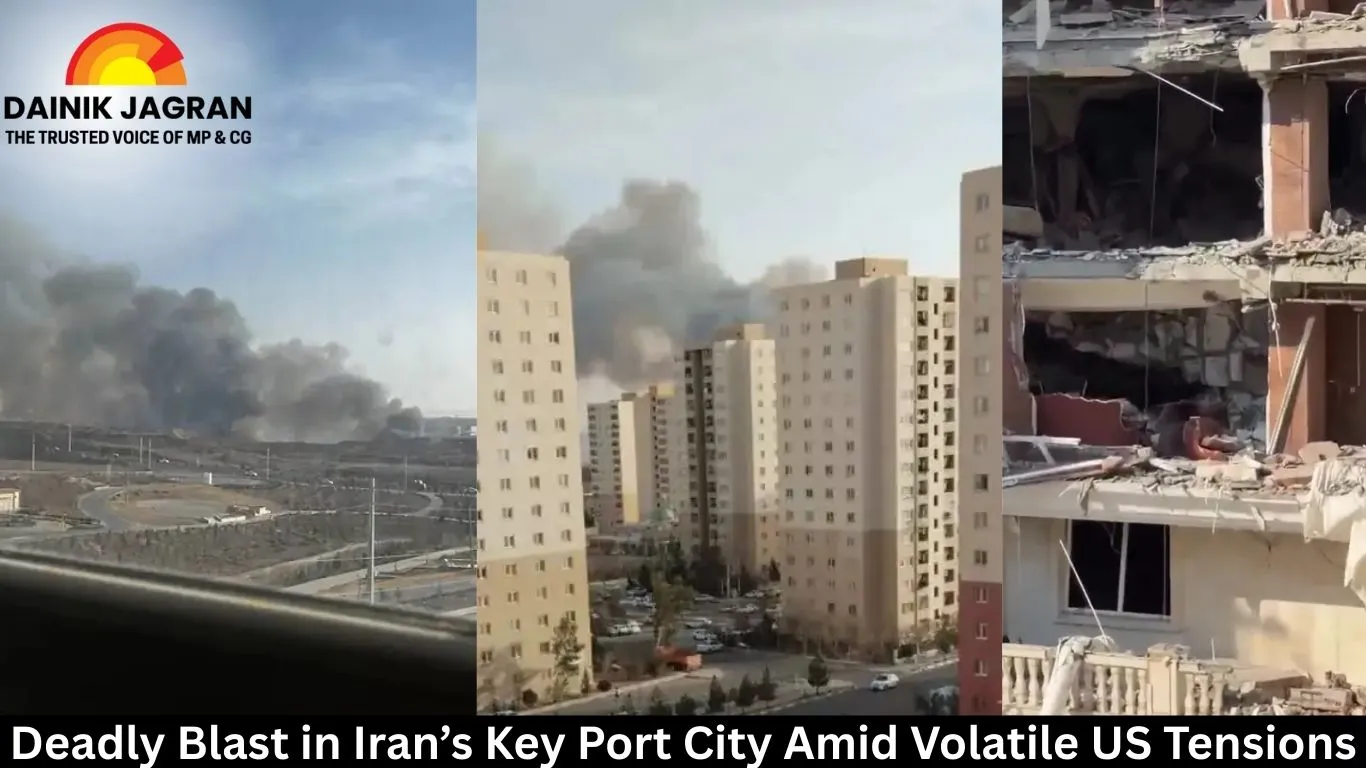
A significant explosion struck a residential building in the southern Iranian port city of Bandar Abbas on Saturday, January 31, 2026, resulting in casualties and igniting a flurry of speculation amid dangerously high geopolitical tensions. Initial reports from Iranian officials point to a gas leak as the likely cause, but the incident occurred against a backdrop of severe domestic unrest and threats of U.S. military action, prompting immediate denials from Iran's Revolutionary Guard that it was a targeted attack.
The blast, which destroyed two floors of an eight-story building and damaged shops and vehicles, comes just one day before Iran's Islamic Revolutionary Guard Corps (IRGC) planned live-fire naval drills in the nearby Strait of Hormuz. This critical waterway, where Bandar Abbas is located, handles about one-fifth of the world's seaborne oil, making any incident there a global concern.
Official Cause and Conflicting Narratives
According to Mohammad Amin Lyaghat, the head of the Bandar Abbas fire department, the "initial cause of the building accident... was a gas leak and buildup". This assessment was reported by Iran's semi-official Tasnim news agency and state television.
However, the explosion triggered immediate rumors online, including unsubstantiated claims that a naval commander of the IRGC had been targeted. The IRGC was quick to deny these claims, stating that none of its naval buildings in the province were hit. Furthermore, two Israeli officials told Reuters that Israel was not involved in the incident.
Casualty figures remain unclear. While Tasnim reported at least one death and 14 injuries, local crisis management head Mehrdad Hassanzadeh was quoted only saying wounded were being transferred to the hospital.
A Tinderbox Context: Protests, Crackdowns, and US Warnings
The explosion occurred in a nation under intense strain. For weeks, Iran has been engulfed by nationwide protests sparked by economic hardship, which have met a brutal government crackdown. While internet blackouts make verification difficult, human rights groups report thousands of protesters have been killed by security forces.
This domestic crisis has escalated into an international standoff. U.S. President Donald Trump has repeatedly threatened Iran over the protest crackdown and its nuclear program. Just days before the blast, Trump had deployed a "massive armada" to the region and was reportedly presented with military options against Iran.
In this volatile climate, the U.S. military issued a direct warning to Iran on Friday over its planned drills. U.S. Central Command stated it "will not tolerate unsafe IRGC actions," including approaches on a collision course with U.S. vessels or weapons trained at U.S. forces.
Diplomatic Efforts Race to Prevent Escalation
As military posturing intensifies, diplomatic channels are working overtime. Iranian officials, including Foreign Minister Abbas Araghchi, have stated readiness for "fair and equitable" negotiations with the U.S., but insist they will not be bullied or give up their missile and defense capabilities.
Regional powers are actively trying to mediate. Egypt has held calls with Iranian, U.S., Turkish, and Omani officials to seek diplomatic solutions, while Turkey has offered to act as a facilitator. Notably, Saudi Arabia and the United Arab Emirates have both ruled out allowing their territory or airspace to be used for attacks on Iran.
Analysis: A Precarious Moment
The explosion in Bandar Abbas, whether accidental or not, highlights the extreme fragility of the current moment. A single miscalculation or misinterpretation in the crowded waters of the Strait of Hormuz could spark a wider conflict. While Iran seeks to project strength through military drills, it is simultaneously grappling with profound internal dissent and economic isolation.
The path forward hinges on whether diplomatic efforts can create a viable off-ramp. The key demands from the U.S.—curbs on Iran's nuclear program, missile development, and support for regional proxies—strike at the core of the Iranian regime's security strategy, making concessions politically perilous. For now, the world watches as crisis management and tense diplomacy attempt to outpace the march toward potential military confrontation.

.jpg)




