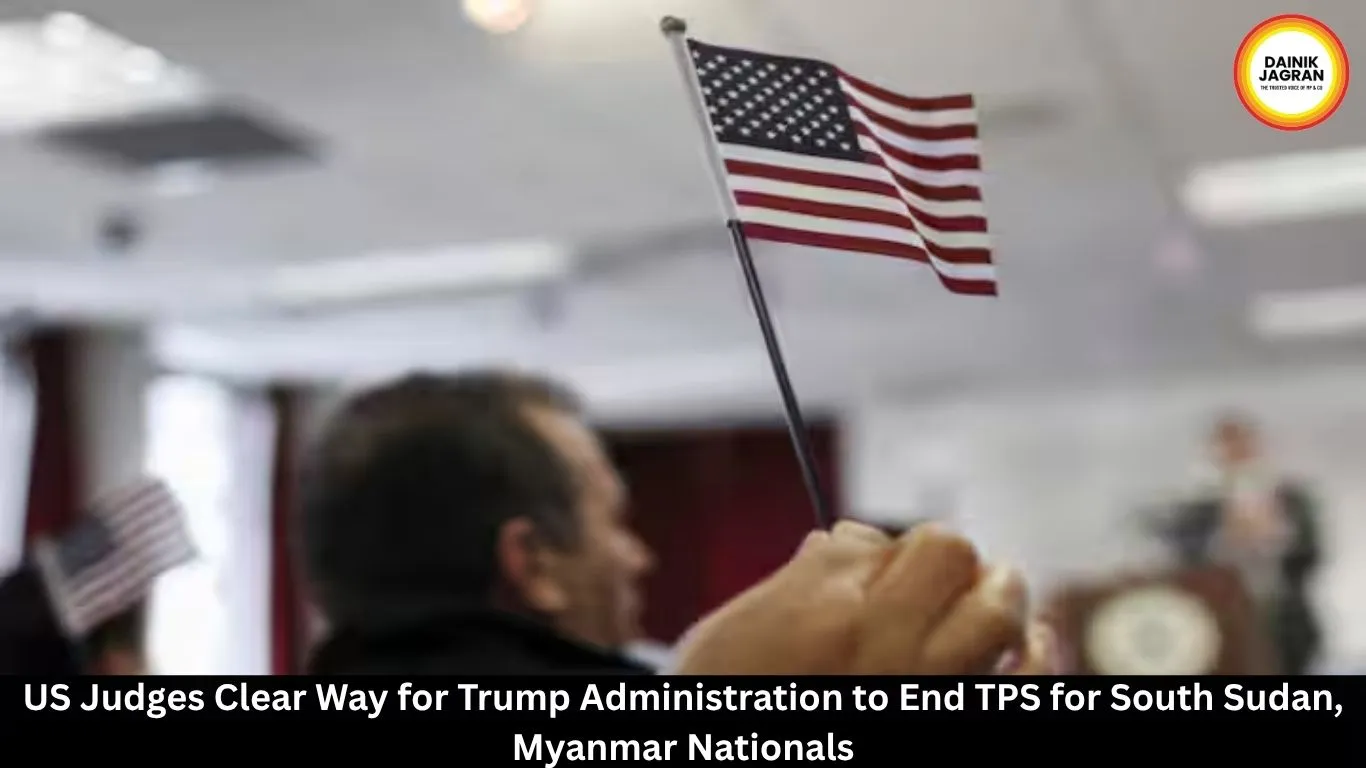
US Judges Allow Trump Administration to End TPS for South Sudan, Myanmar Nationals

Digital desk

US Judges Allow Trump Administration to End TPS for South Sudan, Myanmar Nationals

Two US federal judges have cleared the way for the Trump administration to end Temporary Protected Status for nationals of South Sudan and Myanmar, potentially affecting thousands of migrants.


Two US federal judges have cleared the way for the Donald Trump administration to terminate Temporary Protected Status (TPS) for nationals of South Sudan and Myanmar, rejecting legal efforts to preserve deportation protections for thousands of migrants.

The rulings, issued in Boston and Chicago on Friday, come after the US Supreme Court recently limited the ability of lower courts to block the administration from ending TPS designations. The decisions could affect about 232 South Sudanese nationals and nearly 4,000 people from Myanmar, according to Reuters.

What is Temporary Protected Status?

Temporary Protected Status is a US immigration programme that allows nationals of designated countries to remain legally in the United States when returning home is considered unsafe because of armed conflict, natural disasters or other extraordinary conditions.

Also Read... US-Iran War Escalates: Tanker Hit Near Oman as Trump Warns of Tough Military Response

TPS beneficiaries are generally protected from deportation and can obtain employment authorisation while the designation remains in effect.

Also Read... Netanyahu Rejects Trump's Gaza Plan, Rules Out Israeli Withdrawal

The programme does not, however, provide permanent residency or citizenship.

Also Read... Trump Signs New Birthright Citizenship Executive Orders: Impact, Birth Tourism Rules Explained

Courts Reject Legal Challenge

In Boston, US District Judge Patti Saris rejected arguments from immigrant rights advocates seeking to prevent the termination of TPS for South Sudanese nationals.

The legal challenge followed a US Supreme Court decision that affirmed broad executive authority for the Department of Homeland Security (DHS) to make decisions regarding TPS designations.

Advocates had argued that DHS lacked the authority to terminate the protections. Judge Saris rejected that interpretation, saying it would also undermine the department's longstanding authority to extend TPS when conditions warranted.

Hours later, US District Judge Matthew Kennelly in Chicago reached a similar conclusion in the case involving Myanmar nationals.

South Sudan, Myanmar TPS

The DHS moved in November 2025 to terminate TPS for South Sudan and Myanmar.

South Sudan has been covered by TPS since 2011, with the designation linked to continuing conflict and instability in the country.

Myanmar's TPS designation followed the political turmoil that intensified after the 2021 military coup, which triggered prolonged instability and conflict.

The latest court decisions remove a major legal obstacle to the administration's plans to end those protections.

Supreme Court Decision Matters

The latest rulings are closely linked to a US Supreme Court decision in June concerning similar TPS protections for nationals of Haiti and Syria.

The Supreme Court's decision gave the federal government greater room to terminate TPS designations and restricted the ability of lower courts to intervene.

Following that ruling, lawyers representing immigrants argued that DHS had exceeded its authority by moving to terminate protections for South Sudanese and Myanmar nationals.

The judges, however, found that the Supreme Court's position allowed DHS to proceed.

Deportation Concerns Rise

Immigrant rights groups have warned that the rulings could leave TPS beneficiaries vulnerable to deportation once their protections formally expire.

Many affected migrants have lived and worked in the United States under TPS for years. The programme's termination could therefore have consequences not only for their immigration status but also for their employment and families.

During the legal proceedings, some beneficiaries had continued to live and work in the country under administrative stays that temporarily prevented the termination of their protections.

DHS Says More Terminations Possible

James Percival, General Counsel of the Department of Homeland Security, said the latest rulings leave only the planned TPS terminations for Ethiopian and Somali nationals blocked by court action.

The administration has argued that TPS designations are intended to be temporary and that the government should be able to determine when conditions in a particular country no longer justify continuing the protections.

The latest decisions mark another step in the Trump administration's broader effort to tighten immigration enforcement and reduce the number of temporary immigration protections available to foreign nationals in the United States.

For South Sudanese and Myanmar nationals covered by TPS, the immediate focus will now shift to the timelines for the termination of their protections and what immigration options may remain available to them.


 

english.dainikjagranmpcg.com
08 Aug 2026 By Abhishek Joshi

US Judges Allow Trump Administration to End TPS for South Sudan, Myanmar Nationals

Digital desk

Two US federal judges have cleared the way for the Donald Trump administration to terminate Temporary Protected Status (TPS) for nationals of South Sudan and Myanmar, rejecting legal efforts to preserve deportation protections for thousands of migrants.

The rulings, issued in Boston and Chicago on Friday, come after the US Supreme Court recently limited the ability of lower courts to block the administration from ending TPS designations. The decisions could affect about 232 South Sudanese nationals and nearly 4,000 people from Myanmar, according to Reuters.

What is Temporary Protected Status?

Temporary Protected Status is a US immigration programme that allows nationals of designated countries to remain legally in the United States when returning home is considered unsafe because of armed conflict, natural disasters or other extraordinary conditions.

TPS beneficiaries are generally protected from deportation and can obtain employment authorisation while the designation remains in effect.

The programme does not, however, provide permanent residency or citizenship.

Courts Reject Legal Challenge

In Boston, US District Judge Patti Saris rejected arguments from immigrant rights advocates seeking to prevent the termination of TPS for South Sudanese nationals.

The legal challenge followed a US Supreme Court decision that affirmed broad executive authority for the Department of Homeland Security (DHS) to make decisions regarding TPS designations.

Advocates had argued that DHS lacked the authority to terminate the protections. Judge Saris rejected that interpretation, saying it would also undermine the department's longstanding authority to extend TPS when conditions warranted.

Hours later, US District Judge Matthew Kennelly in Chicago reached a similar conclusion in the case involving Myanmar nationals.

South Sudan, Myanmar TPS

The DHS moved in November 2025 to terminate TPS for South Sudan and Myanmar.

South Sudan has been covered by TPS since 2011, with the designation linked to continuing conflict and instability in the country.

Myanmar's TPS designation followed the political turmoil that intensified after the 2021 military coup, which triggered prolonged instability and conflict.

The latest court decisions remove a major legal obstacle to the administration's plans to end those protections.

Supreme Court Decision Matters

The latest rulings are closely linked to a US Supreme Court decision in June concerning similar TPS protections for nationals of Haiti and Syria.

The Supreme Court's decision gave the federal government greater room to terminate TPS designations and restricted the ability of lower courts to intervene.

Following that ruling, lawyers representing immigrants argued that DHS had exceeded its authority by moving to terminate protections for South Sudanese and Myanmar nationals.

The judges, however, found that the Supreme Court's position allowed DHS to proceed.

Deportation Concerns Rise

Immigrant rights groups have warned that the rulings could leave TPS beneficiaries vulnerable to deportation once their protections formally expire.

Many affected migrants have lived and worked in the United States under TPS for years. The programme's termination could therefore have consequences not only for their immigration status but also for their employment and families.

During the legal proceedings, some beneficiaries had continued to live and work in the country under administrative stays that temporarily prevented the termination of their protections.

DHS Says More Terminations Possible

James Percival, General Counsel of the Department of Homeland Security, said the latest rulings leave only the planned TPS terminations for Ethiopian and Somali nationals blocked by court action.

The administration has argued that TPS designations are intended to be temporary and that the government should be able to determine when conditions in a particular country no longer justify continuing the protections.

The latest decisions mark another step in the Trump administration's broader effort to tighten immigration enforcement and reduce the number of temporary immigration protections available to foreign nationals in the United States.

For South Sudanese and Myanmar nationals covered by TPS, the immediate focus will now shift to the timelines for the termination of their protections and what immigration options may remain available to them.

 

https://english.dainikjagranmpcg.com/international/us-judges-allow-trump-administration-to-end-tps-for-south/article-25212

--------

🚨 Beat the News Rush – Join Now!

Get breaking alerts, hot exclusives, and game-changing stories instantly on your phone. No delays, no fluff – just the edge you need. ⚡

Tap to join: 

🟢 WhatsApp Channel: Dainik Jagran MP CG

Crave more?

🅕 Facebook: Dainik Jagran MP CG English

🅧 Twitter (X): Dainik Jagran MP CG

🅘 Instagram: Dainik Jagran MP CG

Share the fire – keep your crew ahead! 🗞️🔥

Trending News