US Revokes 175,000+ Visas Under Trump, Citing Criminal Activity and Security Concerns
Digital desk
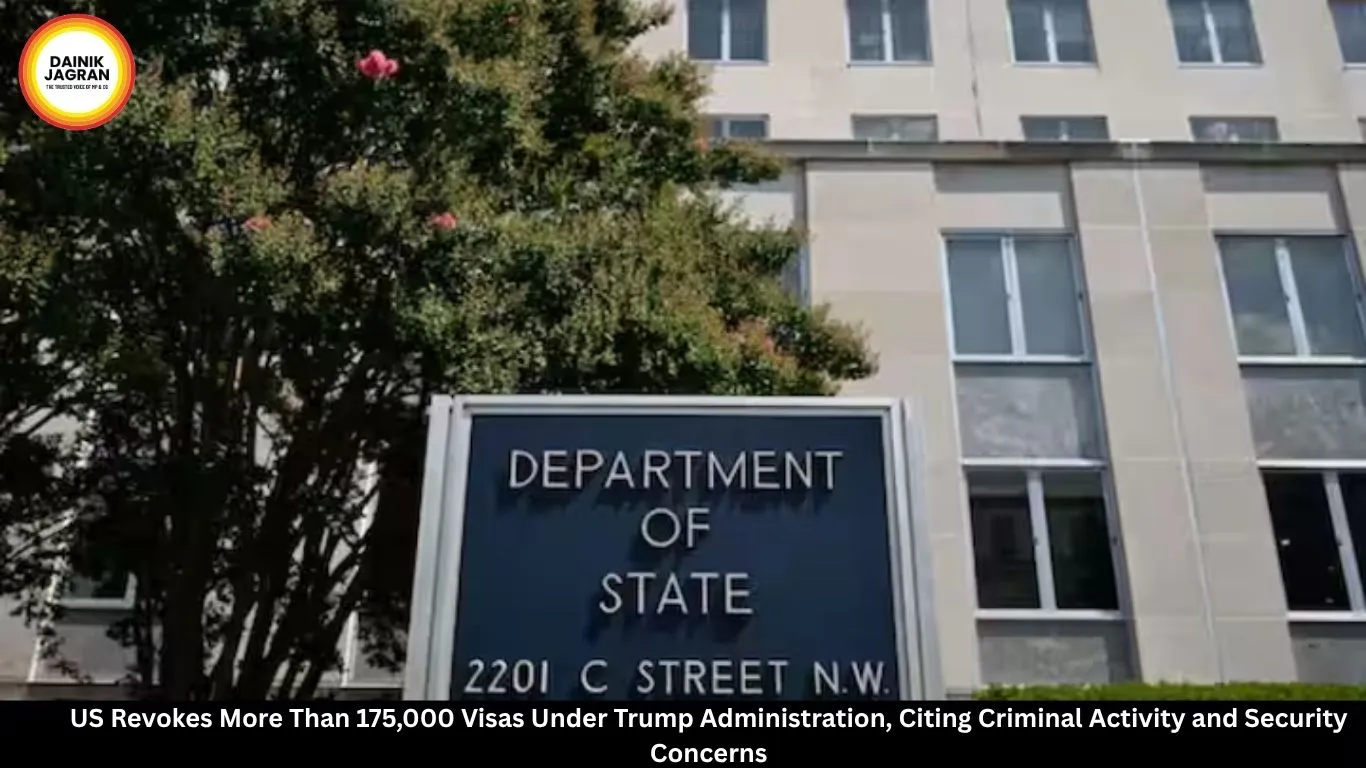
The US has revoked more than 175,000 visas under Donald Trump, citing criminal activity, fraud, immigration violations, violence and national security concerns.
The United States has revoked more than 175,000 visas issued to foreign nationals during President Donald Trump's second term, with the State Department citing criminal activity, immigration violations, fraud, calls for violence and national security concerns.
The State Department released the figure on Monday, outlining several categories of cases that resulted in visa revocations. Officials said the majority involved foreign nationals who came into contact with US law enforcement over alleged criminal activity.
The announcement comes as the Trump administration continues to tighten immigration enforcement and review rules affecting foreign students, skilled workers and other non-citizens.
Criminal Cases Lead Revocations
According to the State Department, criminal offences accounted for the largest share of visa revocations.
Officials said cases involving assault, driving under the influence, theft and drug-related crimes were among the leading reasons.
Other cases involved allegations of reckless driving, sexual assault, child abuse, fraud, embezzlement and other offences.
The department said visa holders can lose their visas when authorities determine that their continued presence or conduct does not meet US immigration or security requirements.
Foreign Policy Grounds Cited
Secretary of State Marco Rubio has also determined that some foreign nationals are deportable on foreign-policy grounds, according to the department.
Among the cases highlighted by officials were foreign nationals allegedly connected to foreign government influence operations, individuals linked to the Iranian regime and people accused of making threats or supporting violence against US officials.
The department cited the case of a Kuwaiti national who allegedly expressed a desire for violence against the US president and referred to Americans as an enemy.
Officials also highlighted cases involving serious criminal allegations, including rape, kidnapping, human trafficking, sexual exploitation of minors and child sexual abuse material.
Birth Tourism Cases Included
The State Department said a US embassy in North Africa revoked more than 100 visas involving parents accused of travelling to the United States primarily to give birth so their children could obtain US citizenship.
Such cases were described by the department as involving so-called birth tourism.
The administration has increasingly focused on immigration practices that it argues exploit the US visa and immigration system.
Fraud and Financial Crimes
The list released by the State Department also included cases involving alleged financial fraud.
In one case, a foreign national accused of operating a healthcare business allegedly helped orchestrate a Medicaid fraud scheme involving more than $5 million in fake services.
Another case involved a foreign national accused of fabricating company revenue, misleading investors and using forged documents to obtain a US visa.
The department said these cases demonstrated that immigration enforcement also covers fraud committed in connection with obtaining or maintaining legal status.
Social Media and Violence
The State Department also cited cases involving foreign nationals accused of celebrating the assassination of conservative activist Charlie Kirk.
Officials included examples of individuals who allegedly posted comments online praising or expressing approval of his death.
The inclusion of such cases reflects the administration's broader approach of considering certain conduct, including statements and activities viewed as threats to public safety or national security, when reviewing visa eligibility.
State Department Defends Policy
The State Department said the Trump administration would continue identifying and revoking visas belonging to foreign nationals it considers threats to public safety.
Officials stressed that holding a US visa is a privilege rather than a permanent entitlement.
The department said it would continue using available enforcement mechanisms against people who violate US law or immigration requirements.
New Rules for International Students
The visa revocations come alongside broader immigration changes affecting foreign students and skilled workers.
A new Department of Homeland Security rule is expected to replace the existing duration-of-status system for F-1 international students with fixed periods of authorised stay, generally capped at four years.
The administration has also proposed reducing the post-study grace period from 60 days to 30 days.
The changes could affect students who need additional time to complete their programmes or transition into employment.
Rules would also place additional restrictions on changing academic programmes or fields of study, particularly at the graduate level.
Implications for Indian Students and Workers
The changes are likely to attract particular attention in India, which sends a large number of students to US universities and accounts for a significant share of H-1B skilled-worker recipients.
The administration is also considering changes to the grace period available to H-1B workers who lose their jobs.
Taken together, the visa enforcement campaign and proposed immigration changes indicate a broader tightening of US policy toward foreign nationals under Trump's second administration.
For international students, skilled workers and other visa holders, the developments could mean greater scrutiny and less flexibility in maintaining their immigration status in the United States.
US Revokes 175,000+ Visas Under Trump, Citing Criminal Activity and Security Concerns
Digital desk
The United States has revoked more than 175,000 visas issued to foreign nationals during President Donald Trump's second term, with the State Department citing criminal activity, immigration violations, fraud, calls for violence and national security concerns.
The State Department released the figure on Monday, outlining several categories of cases that resulted in visa revocations. Officials said the majority involved foreign nationals who came into contact with US law enforcement over alleged criminal activity.
The announcement comes as the Trump administration continues to tighten immigration enforcement and review rules affecting foreign students, skilled workers and other non-citizens.
Criminal Cases Lead Revocations
According to the State Department, criminal offences accounted for the largest share of visa revocations.
Officials said cases involving assault, driving under the influence, theft and drug-related crimes were among the leading reasons.
Other cases involved allegations of reckless driving, sexual assault, child abuse, fraud, embezzlement and other offences.
The department said visa holders can lose their visas when authorities determine that their continued presence or conduct does not meet US immigration or security requirements.
Foreign Policy Grounds Cited
Secretary of State Marco Rubio has also determined that some foreign nationals are deportable on foreign-policy grounds, according to the department.
Among the cases highlighted by officials were foreign nationals allegedly connected to foreign government influence operations, individuals linked to the Iranian regime and people accused of making threats or supporting violence against US officials.
The department cited the case of a Kuwaiti national who allegedly expressed a desire for violence against the US president and referred to Americans as an enemy.
Officials also highlighted cases involving serious criminal allegations, including rape, kidnapping, human trafficking, sexual exploitation of minors and child sexual abuse material.
Birth Tourism Cases Included
The State Department said a US embassy in North Africa revoked more than 100 visas involving parents accused of travelling to the United States primarily to give birth so their children could obtain US citizenship.
Such cases were described by the department as involving so-called birth tourism.
The administration has increasingly focused on immigration practices that it argues exploit the US visa and immigration system.
Fraud and Financial Crimes
The list released by the State Department also included cases involving alleged financial fraud.
In one case, a foreign national accused of operating a healthcare business allegedly helped orchestrate a Medicaid fraud scheme involving more than $5 million in fake services.
Another case involved a foreign national accused of fabricating company revenue, misleading investors and using forged documents to obtain a US visa.
The department said these cases demonstrated that immigration enforcement also covers fraud committed in connection with obtaining or maintaining legal status.
Social Media and Violence
The State Department also cited cases involving foreign nationals accused of celebrating the assassination of conservative activist Charlie Kirk.
Officials included examples of individuals who allegedly posted comments online praising or expressing approval of his death.
The inclusion of such cases reflects the administration's broader approach of considering certain conduct, including statements and activities viewed as threats to public safety or national security, when reviewing visa eligibility.
State Department Defends Policy
The State Department said the Trump administration would continue identifying and revoking visas belonging to foreign nationals it considers threats to public safety.
Officials stressed that holding a US visa is a privilege rather than a permanent entitlement.
The department said it would continue using available enforcement mechanisms against people who violate US law or immigration requirements.
New Rules for International Students
The visa revocations come alongside broader immigration changes affecting foreign students and skilled workers.
A new Department of Homeland Security rule is expected to replace the existing duration-of-status system for F-1 international students with fixed periods of authorised stay, generally capped at four years.
The administration has also proposed reducing the post-study grace period from 60 days to 30 days.
The changes could affect students who need additional time to complete their programmes or transition into employment.
Rules would also place additional restrictions on changing academic programmes or fields of study, particularly at the graduate level.
Implications for Indian Students and Workers
The changes are likely to attract particular attention in India, which sends a large number of students to US universities and accounts for a significant share of H-1B skilled-worker recipients.
The administration is also considering changes to the grace period available to H-1B workers who lose their jobs.
Taken together, the visa enforcement campaign and proposed immigration changes indicate a broader tightening of US policy toward foreign nationals under Trump's second administration.
For international students, skilled workers and other visa holders, the developments could mean greater scrutiny and less flexibility in maintaining their immigration status in the United States.
Recommended For You
--------
🚨 Beat the News Rush – Join Now!
Get breaking alerts, hot exclusives, and game-changing stories instantly on your phone. No delays, no fluff – just the edge you need. ⚡
Tap to join:
🟢 WhatsApp Channel: Dainik Jagran MP CG
Crave more?
🅕 Facebook: Dainik Jagran MP CG English
🅧 Twitter (X): Dainik Jagran MP CG
🅘 Instagram: Dainik Jagran MP CG
Share the fire – keep your crew ahead! 🗞️🔥